How to Choose the Perfect Office Space for Your Therapy Practice

Your office isn’t just where you work, it’s part of the client experience. Whether you’re seeing clients in person, online, or both, the space you choose communicates safety, professionalism, and warmth. But with so many options, from leasing an office to running a telehealth-only practice, how do you decide what’s right for you?
As the How to Start a Private Practice: Ultimate Guide & Checklist explains, when it comes to leasing an office space, it all comes down to: location, location, location. In this article, we’ll walk through the key factors to consider so you can choose an office that serves both your clients and your long-term vision.
In-Person vs. Telehealth: Different Needs
If you plan to run a fully telehealth practice, you may not need a physical office at all. Instead, you’ll want to focus on technology, HIPAA-compliant platforms, and a private, professional home office space.
But if you’ll see clients in person, or offer a hybrid model, you’ll need to think carefully about the office environment. Your physical space can become an extension of your brand.
Location Tip #1: Make Sure There Is Plenty of Parking
Parking may seem like a small detail, but it can make or break your client experience. Clients who struggle to park may feel stressed before sessions even begin.
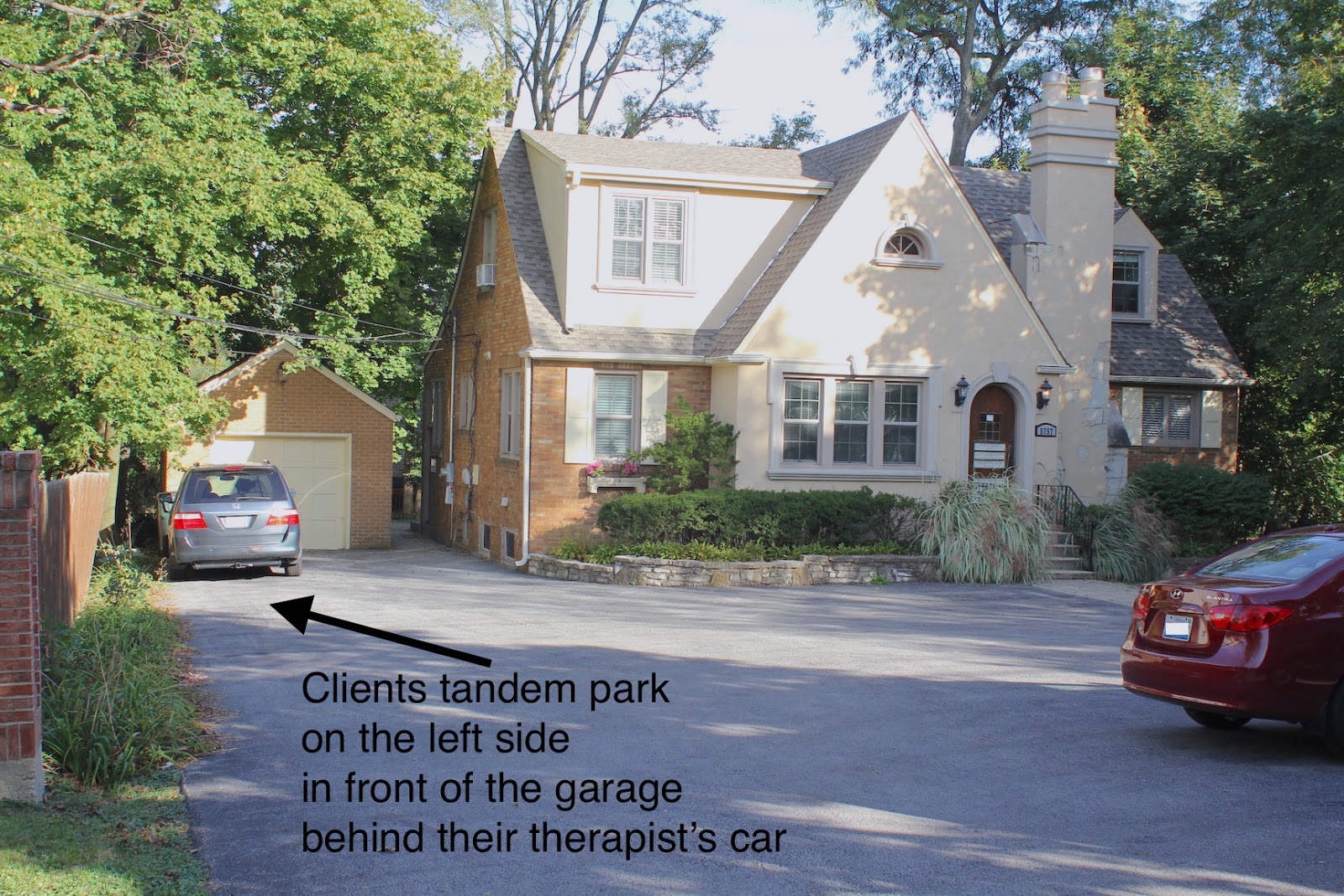
When Kid Matters Counseling first started, parking was so limited that we had to make images showing clients how to do tandem parking. It was terrible! Learn from that experience: ensure your office has ample, convenient parking for clients.
Location Tip #2: Make Sure You Have Room to Expand
If you have a solid marketing and growth plan, your practice may grow more quickly than you expect. Choosing an office with room to expand, whether that means extra rooms for additional clinicians or space for groups, can save you the hassle of relocating later.
Think ahead about whether your practice vision includes staying solo or eventually hiring a team.
Location Tip #3: Make Sure There’s a Waiting Space for Clients
While waiting rooms take up square footage that could be used for therapy offices, they’re still an essential part of client care. A comfortable waiting space helps clients transition into sessions and communicates professionalism.
Some practices cut costs by using shared or common waiting areas in larger office condos. This can be a smart option if you don’t want to pay for non-monetized space.
The key is to have a waiting area that matches the size of your practice. A solo practice may only need a few chairs, while a group practice will need more.
Budgeting for Office Expenses
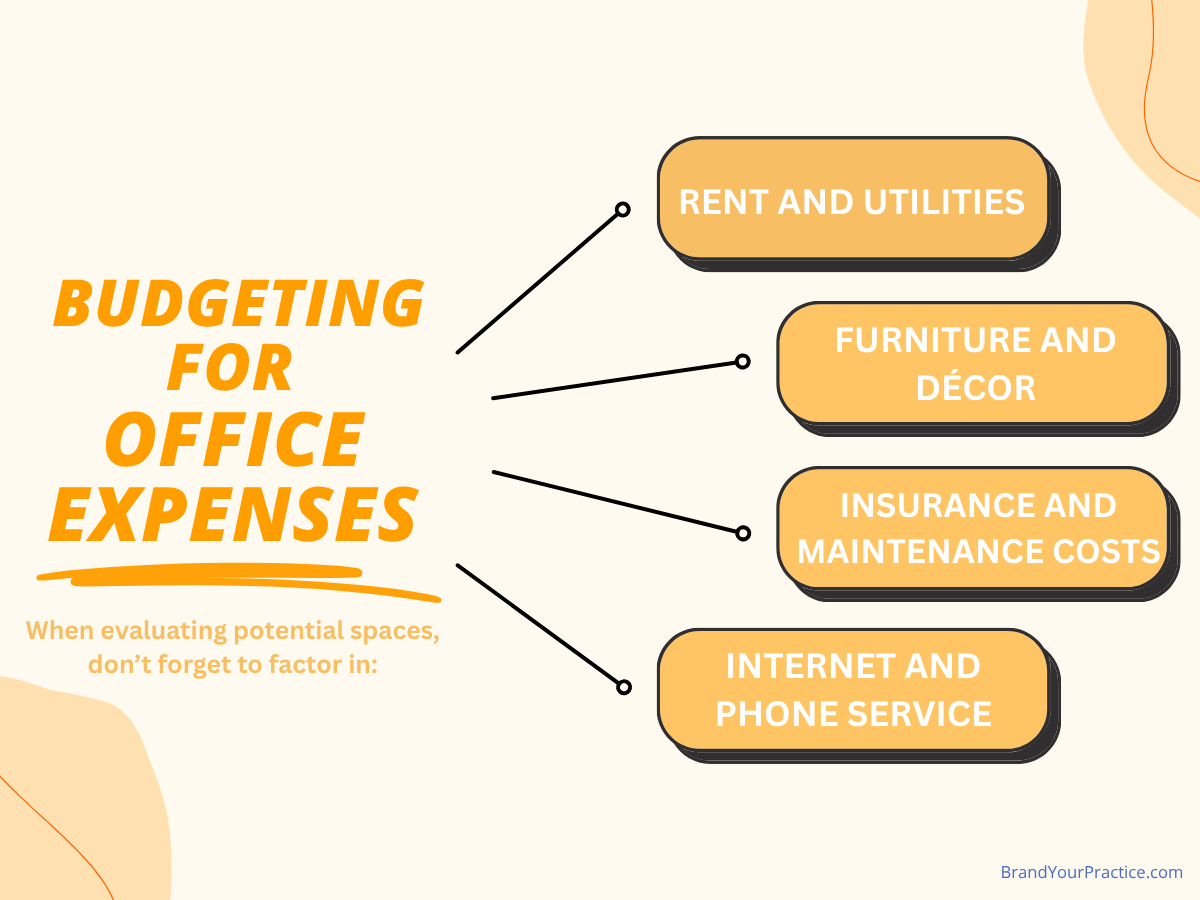
When evaluating potential spaces, don’t forget to factor in:
- Rent and utilities
- Furniture and décor
- Insurance and maintenance costs
- Internet and phone service
These costs should fit into the budgeting plan outlined in your business plan. Choosing a space you can afford long-term is just as important as finding one you love.
Creating a Welcoming Space for Clients
Once you’ve secured a location, focus on creating an environment that feels safe and inviting. Consider:
- Neutral, calming décor
- Soundproofing for privacy
- Comfortable furniture for clients
- Accessibility for individuals with disabilities
Your office should reflect your brand: warm, professional, and welcoming.
The right office space is about more than square footage. It’s about choosing a location that’s accessible, scalable, and welcoming for clients. Start small if needed, but plan with growth in mind.
👉 Want more step-by-step guidance on setting up your practice? Read the full guide:
How to Start a Private Practice: Ultimate Guide & Checklist